Riverstone Village
“A good education shouldn’t have to cost a childhood”
A self-directed education community I co-founded and ran. This is what it looked like in practice.
North Riding, Johannesburg · founded 2017 · now closed
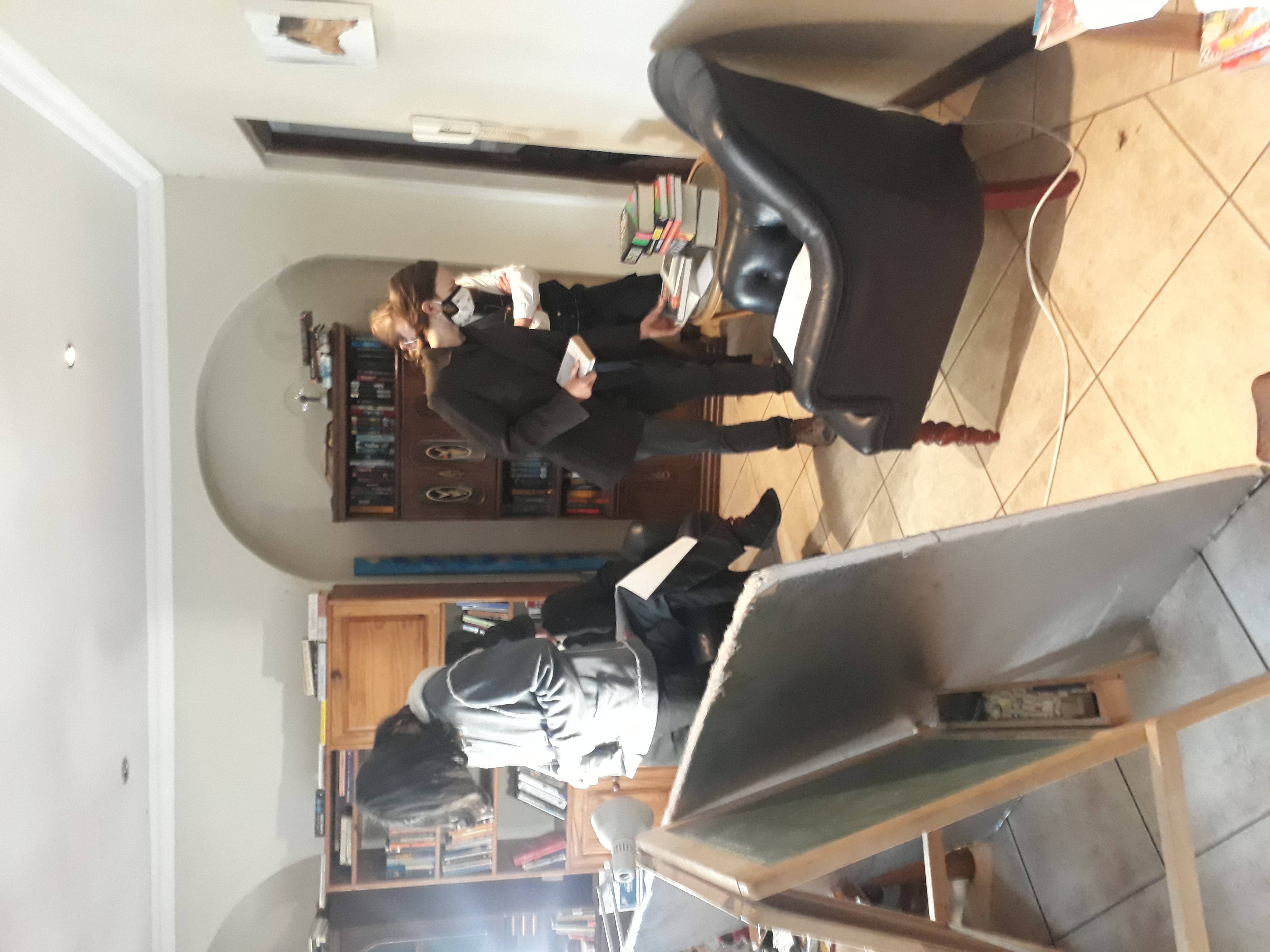
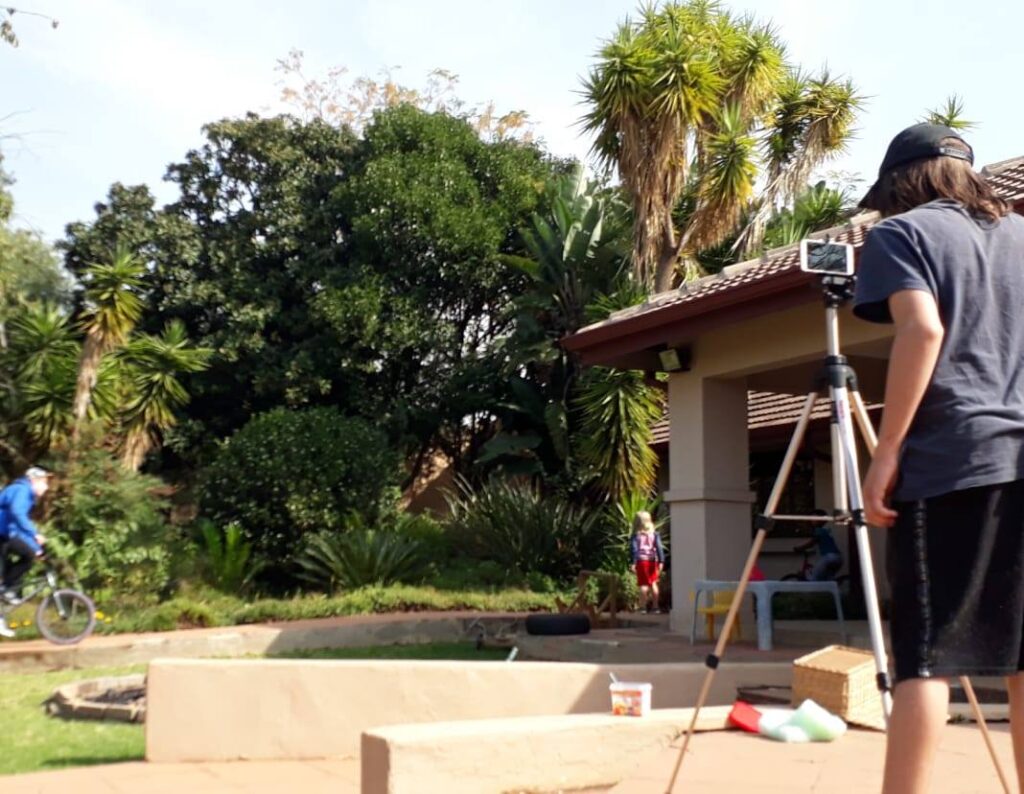
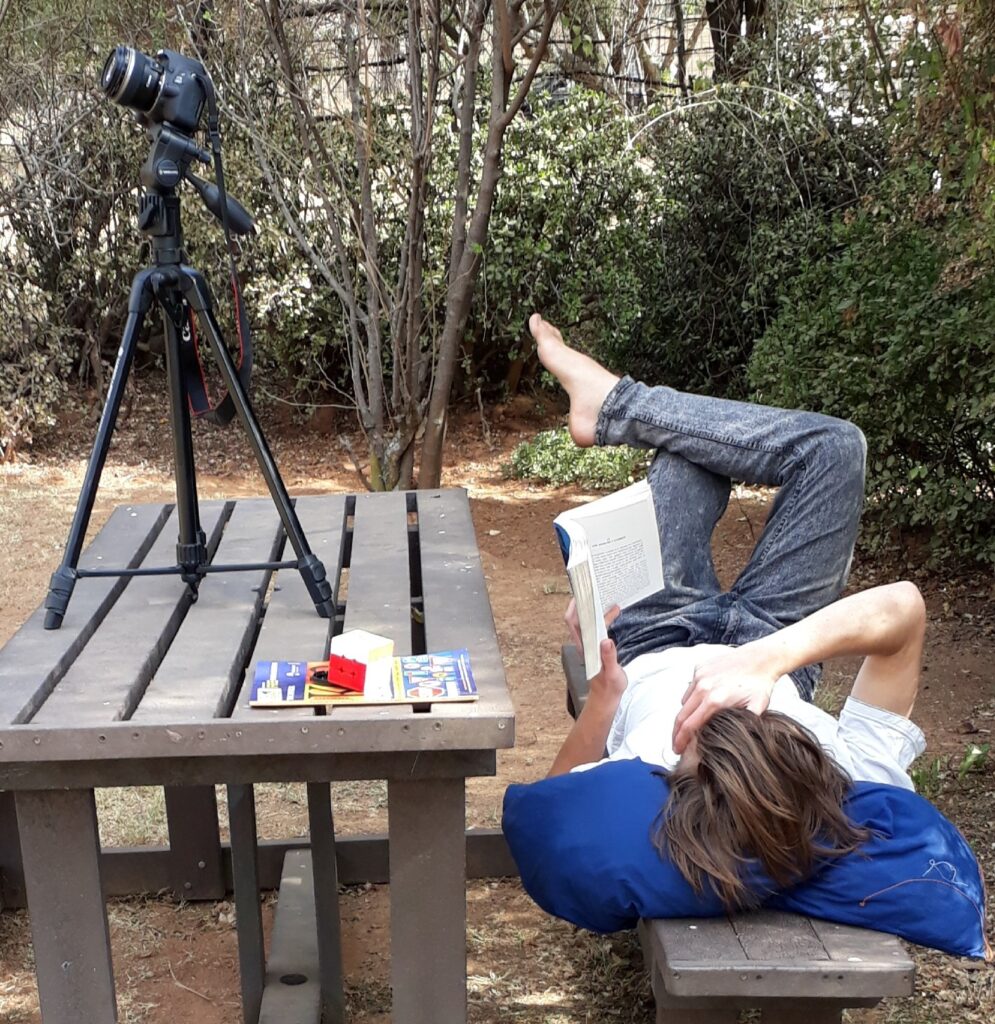
Above – A young film crew sets up a scene ready to make a short film.
A free-range childhood in a rich and respectful community gives solid foundations for self-mastery and lifelong learning — and for the years it ran, this is the space we made together.
“Self-education through play and exploration requires enormous amounts of unscheduled time — time to do whatever one wants to do, without pressure, judgment, or intrusion from authority figures.” — Dr. Peter Gray
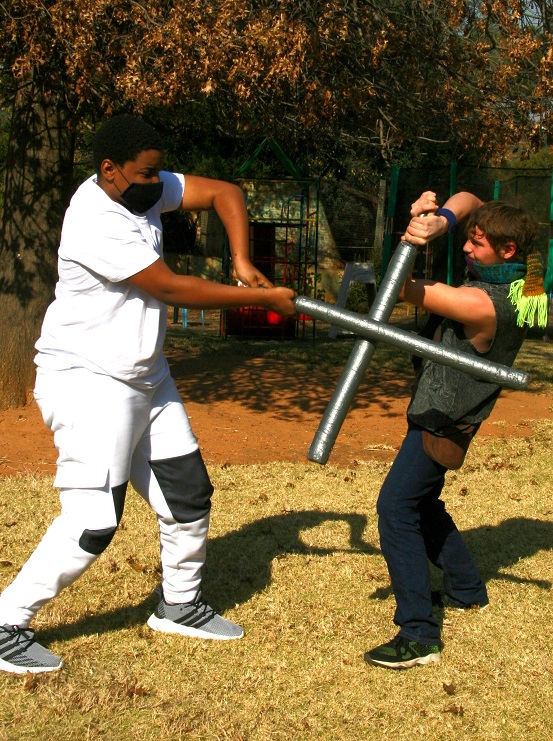
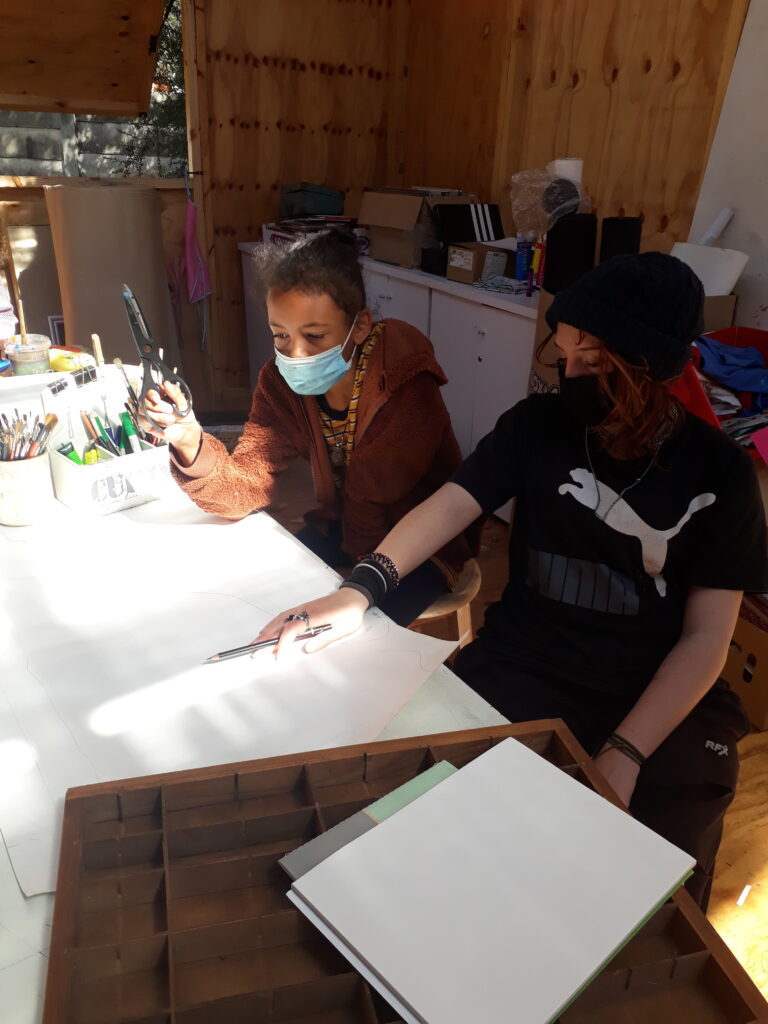
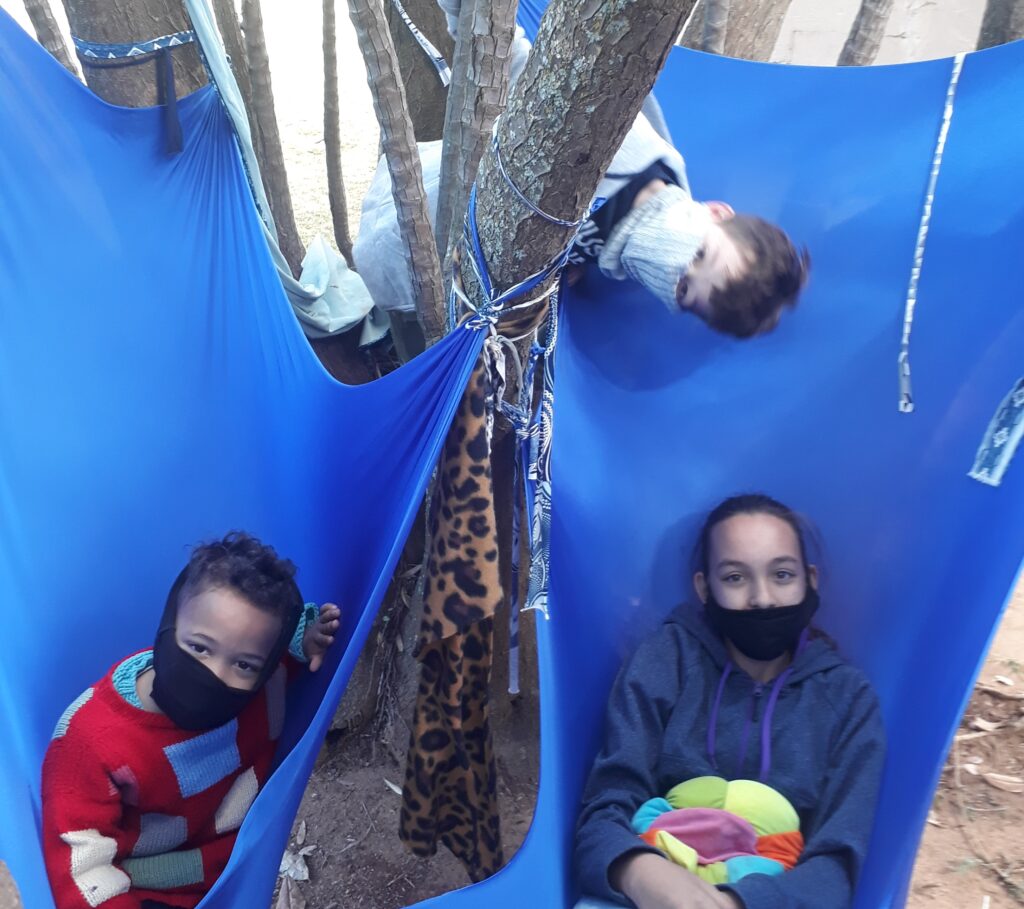
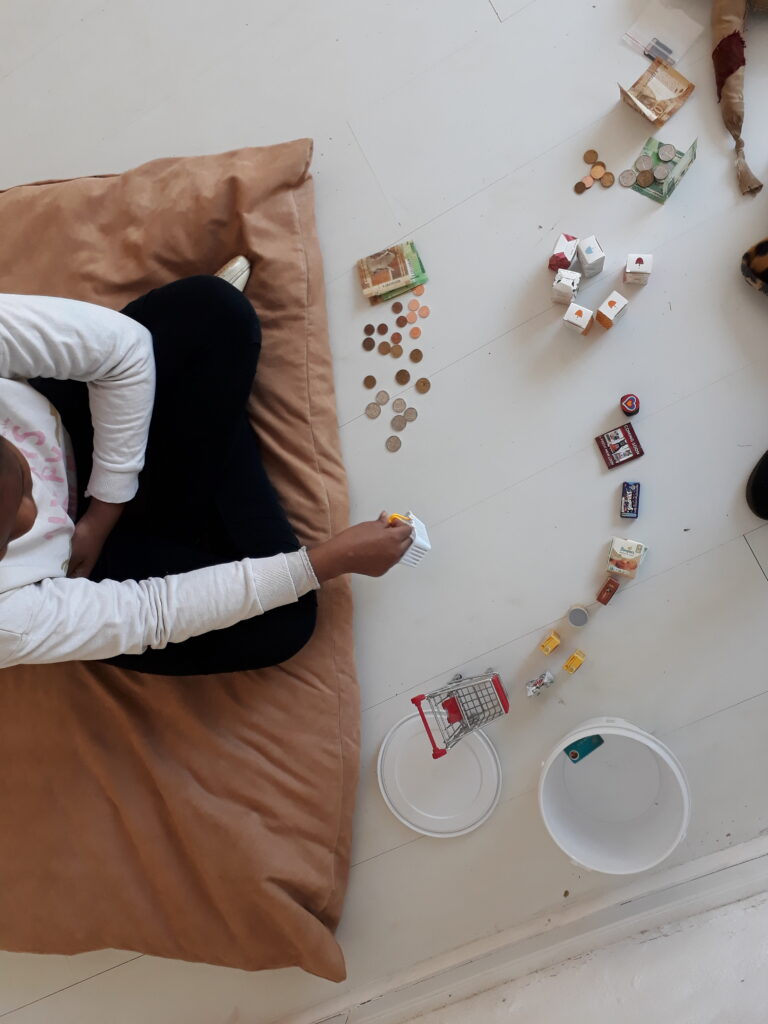
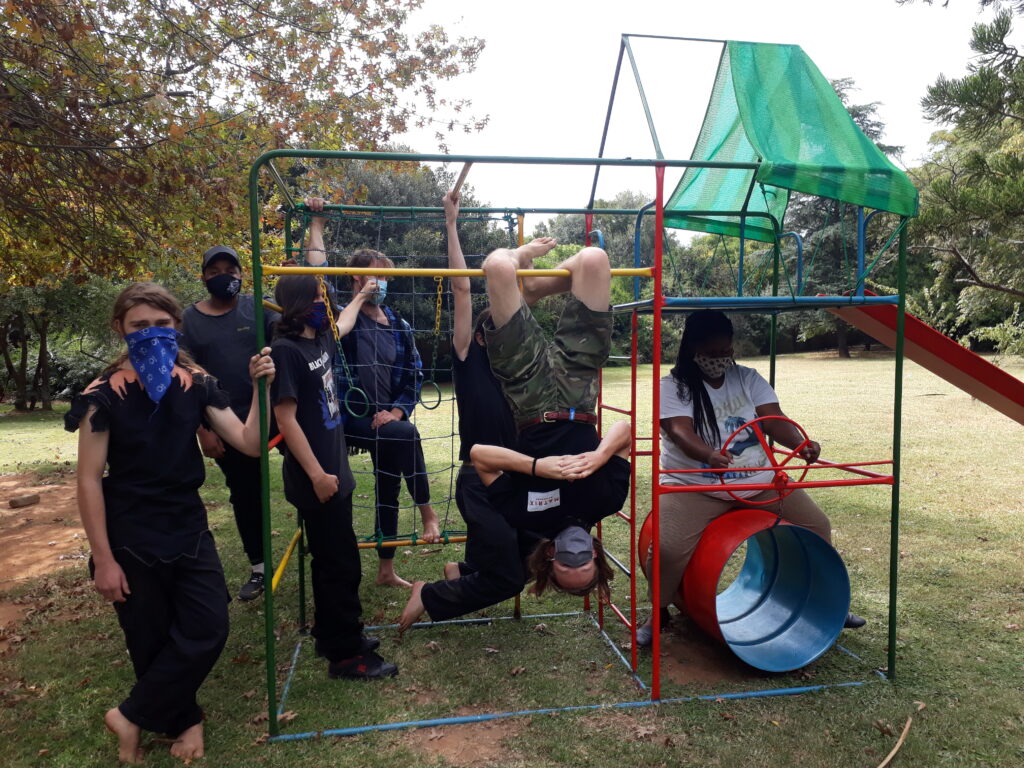
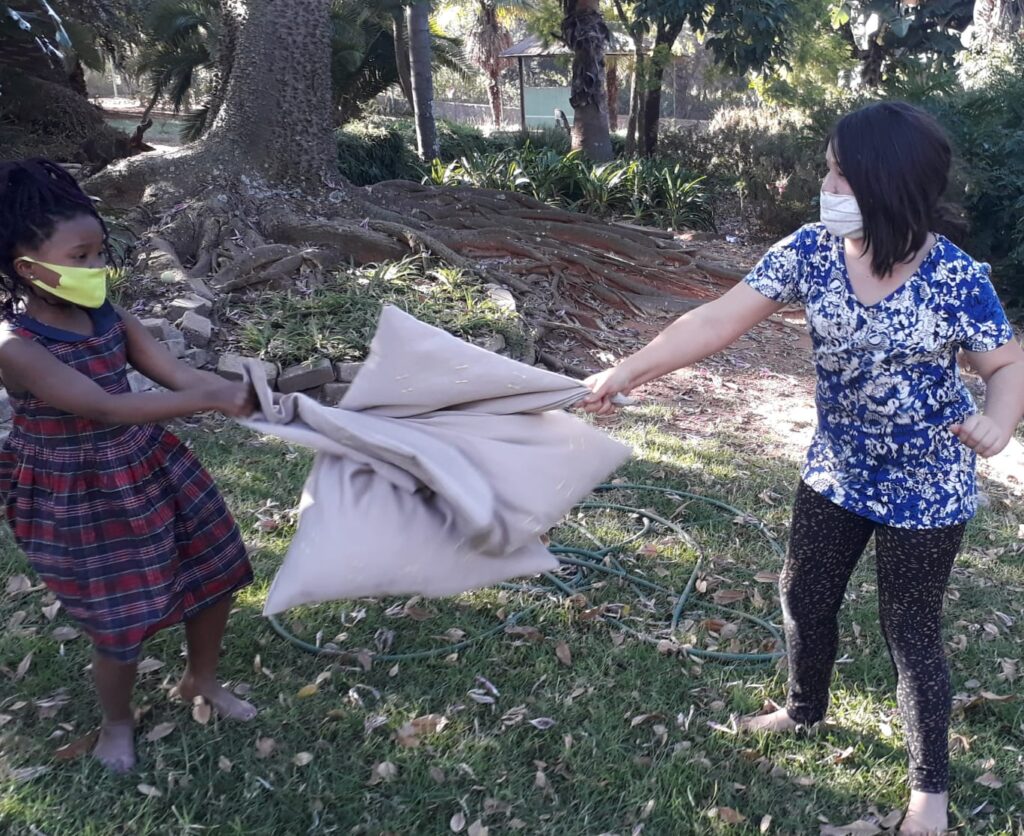
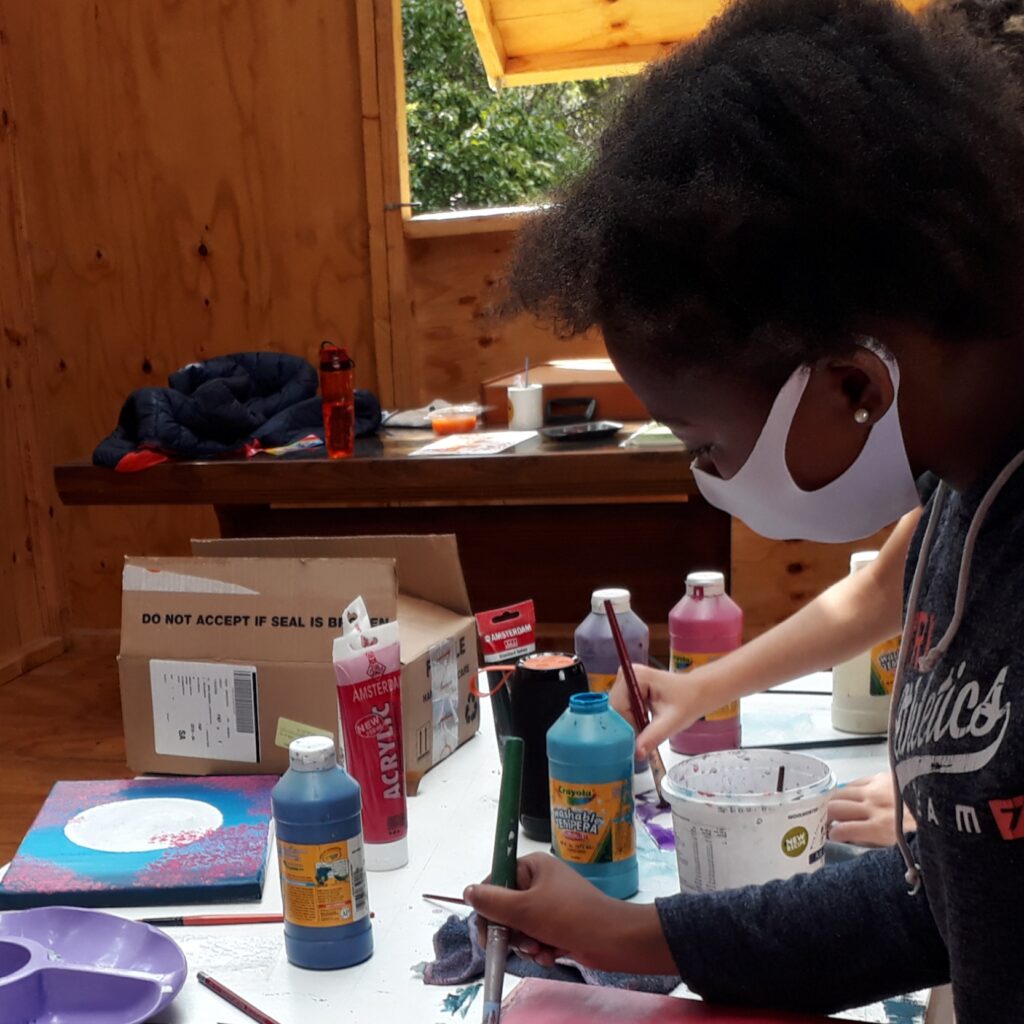
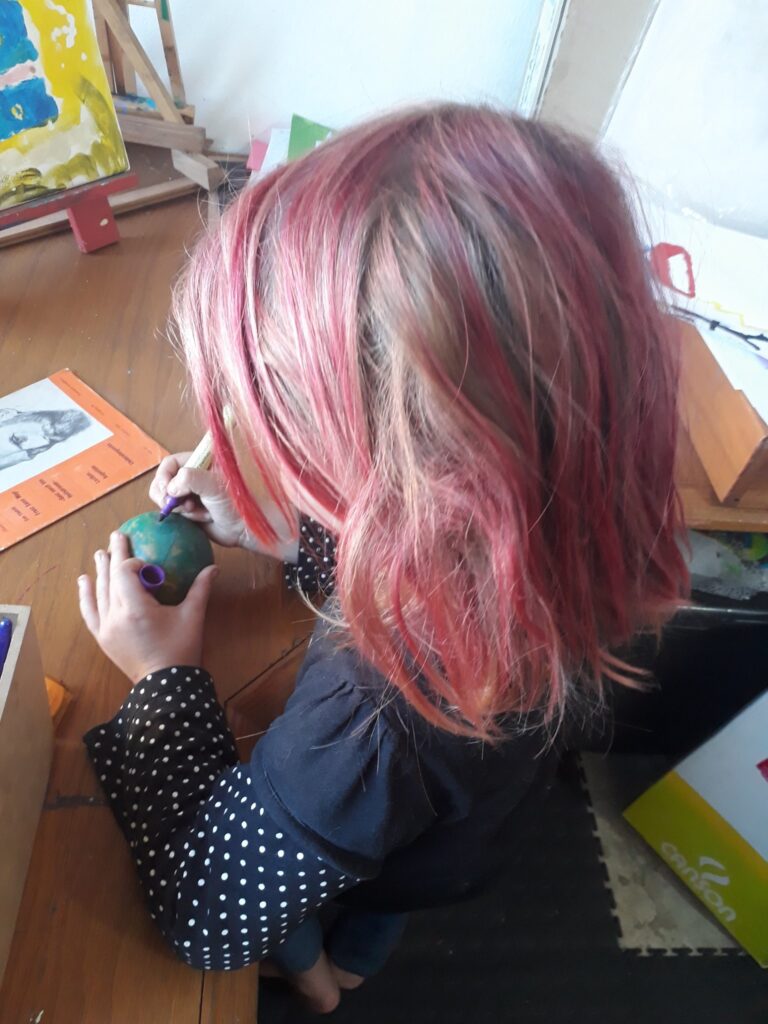
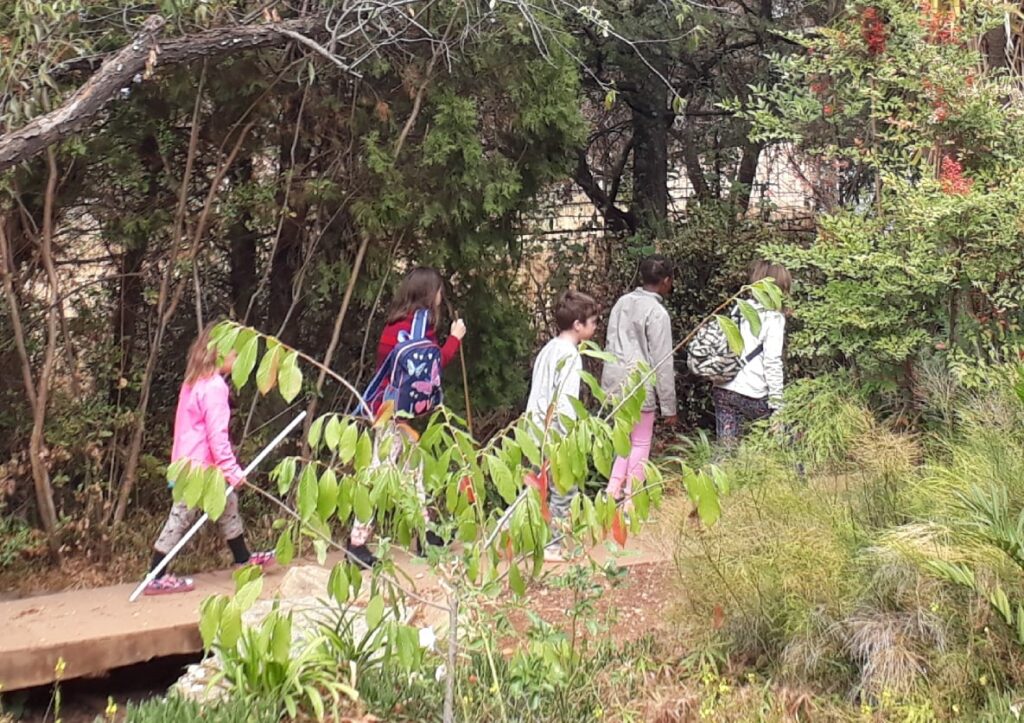
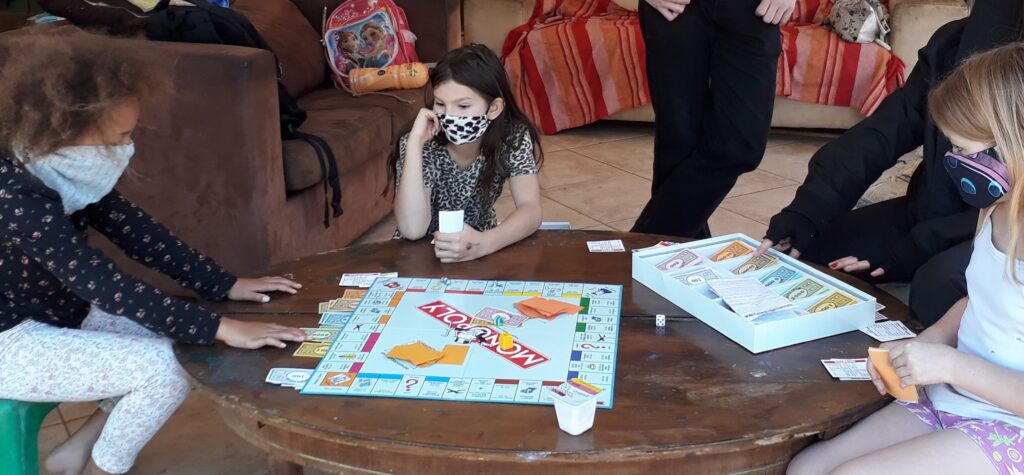
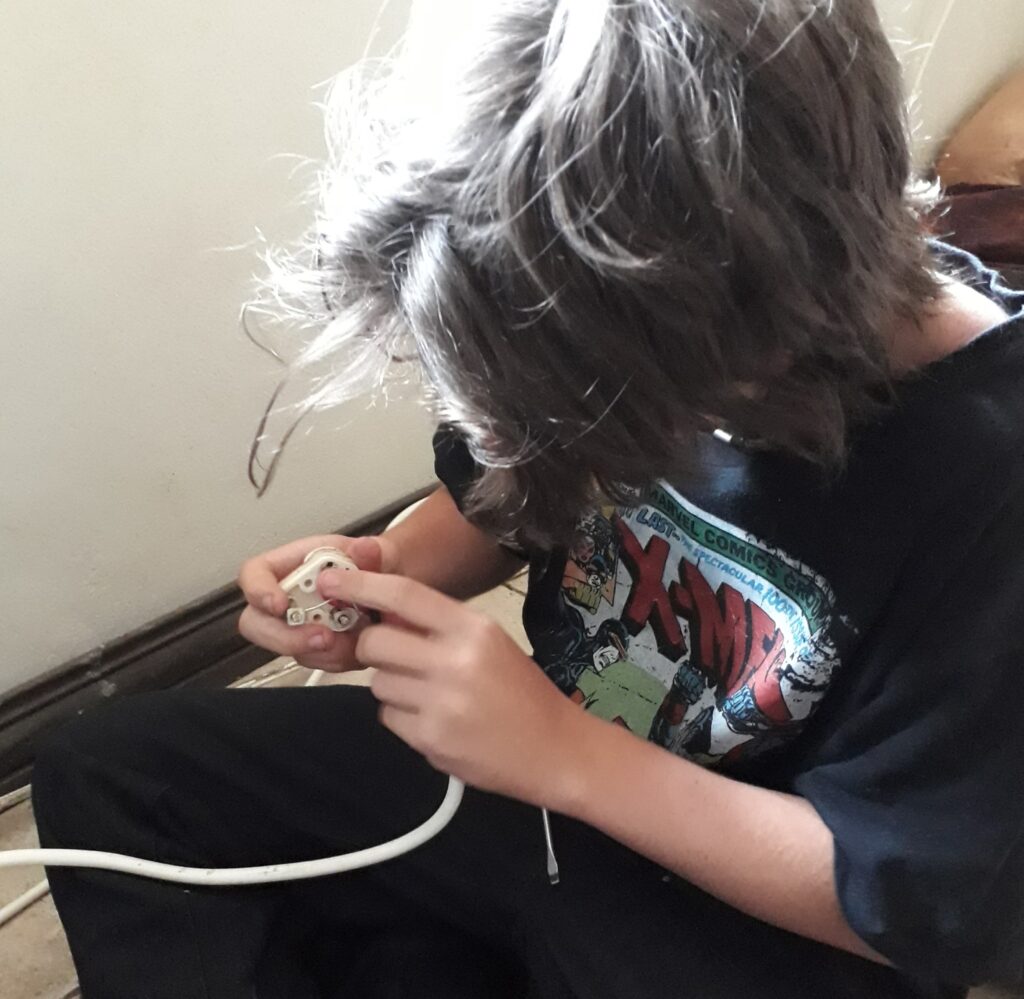
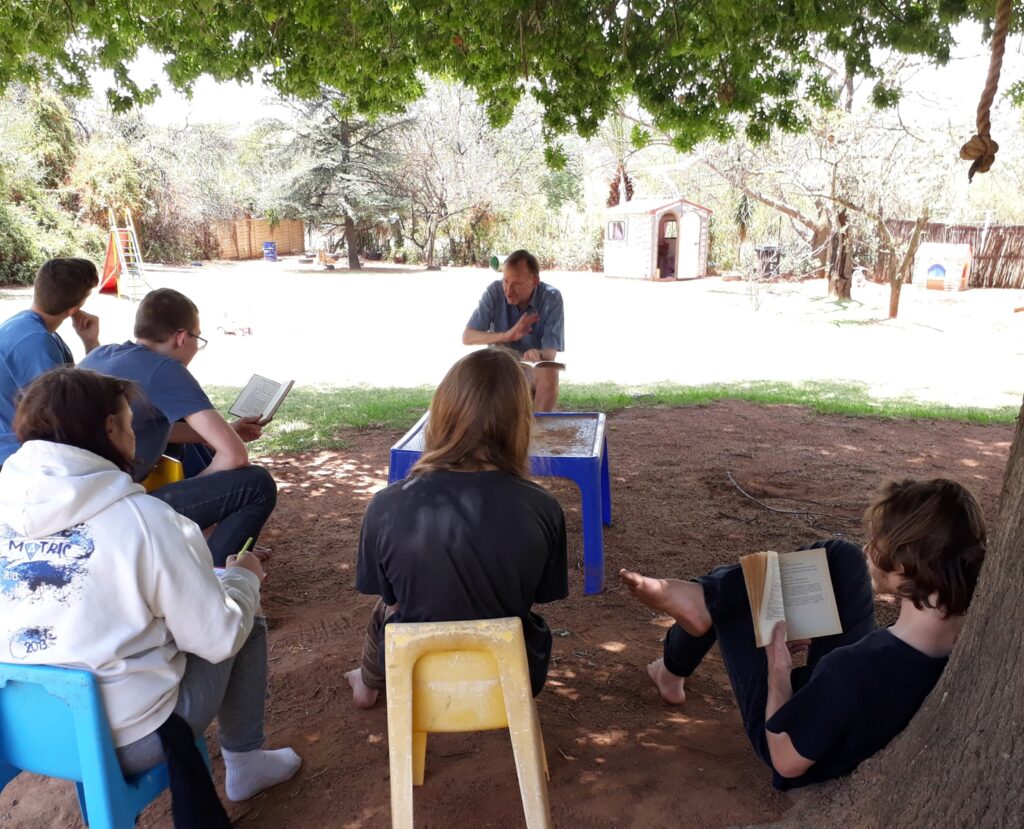
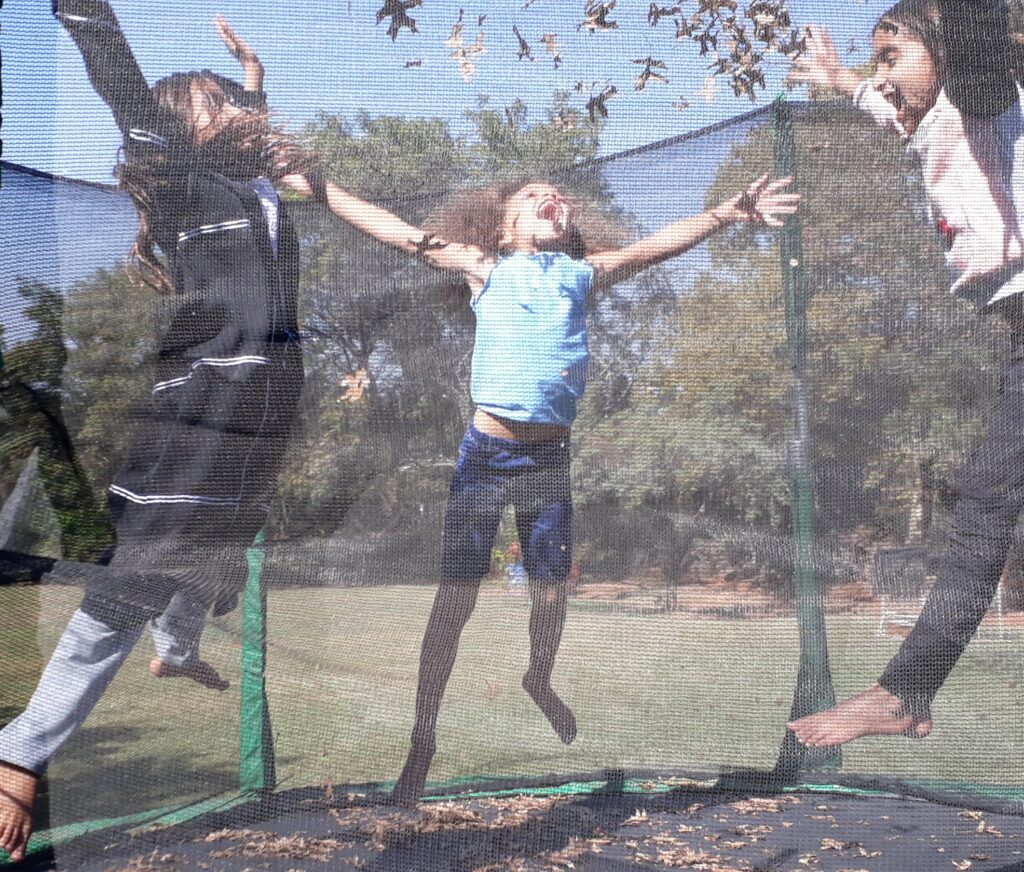
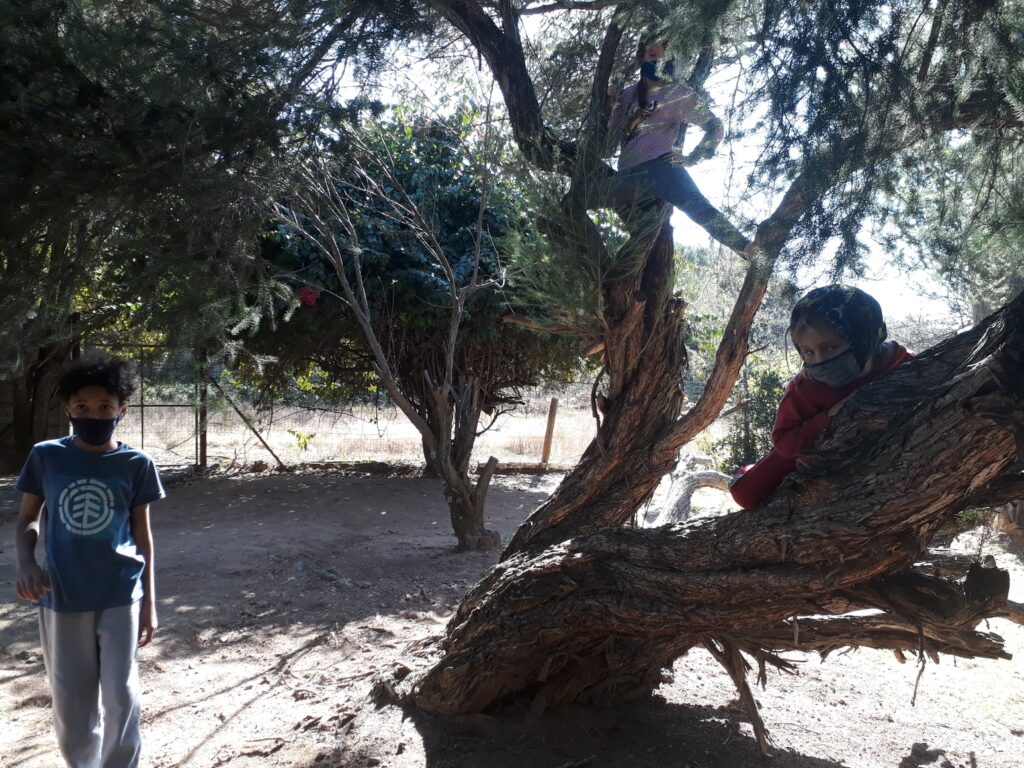
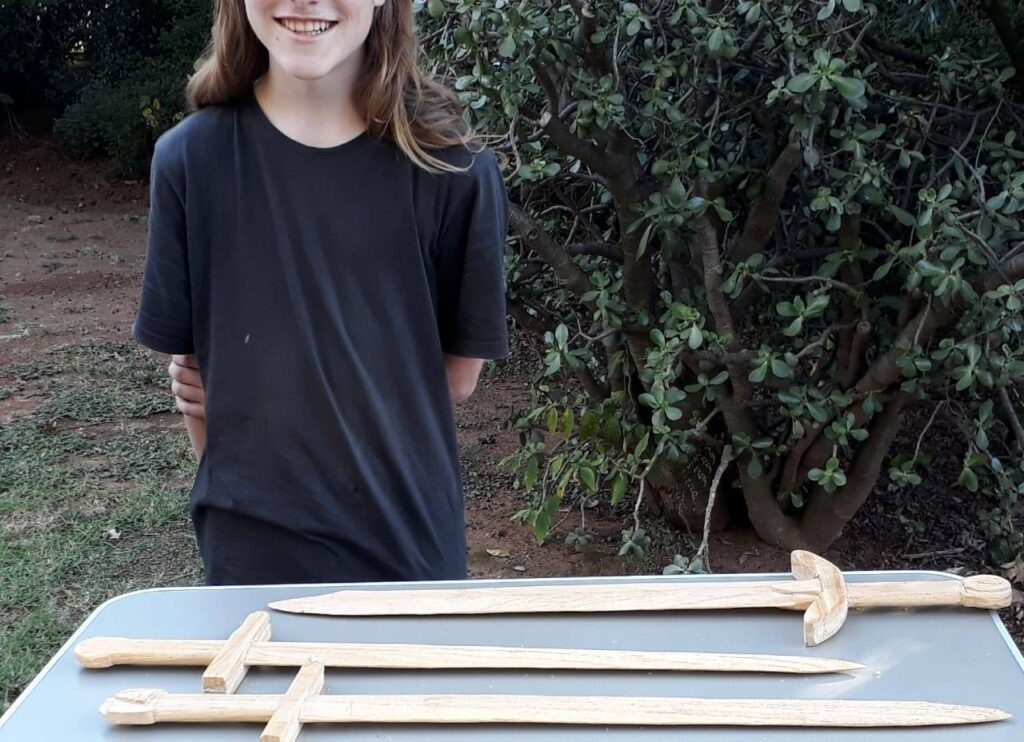
The space, in photographs







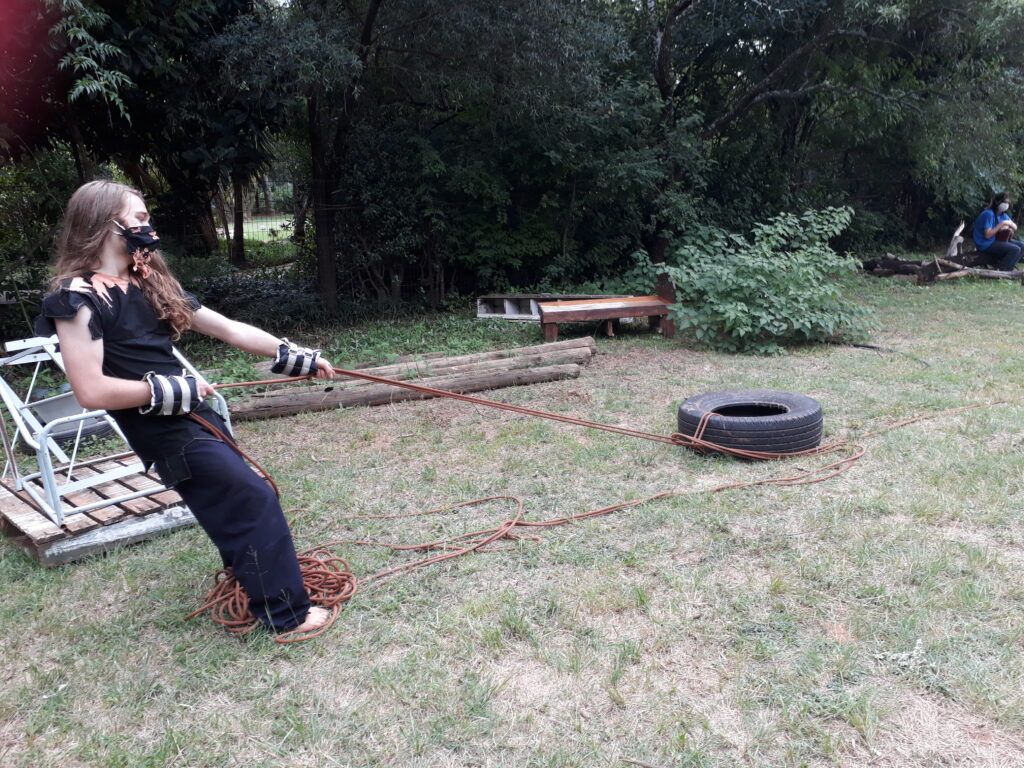
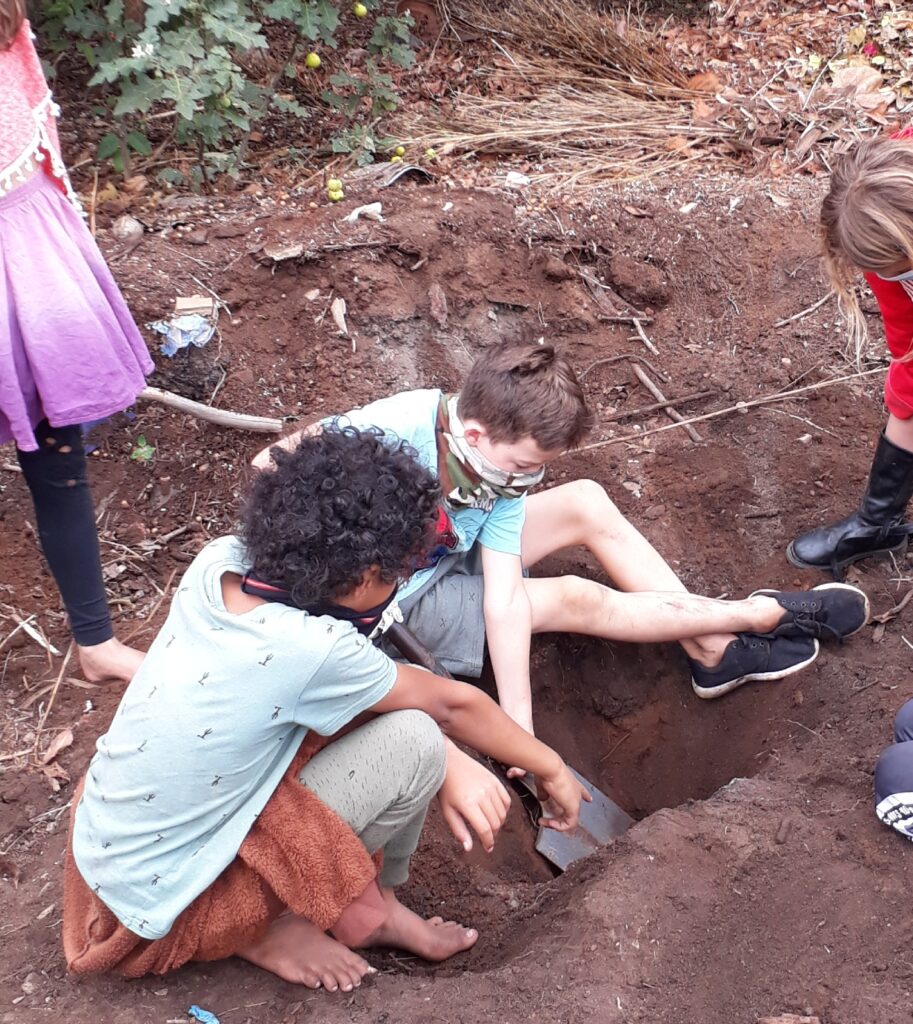


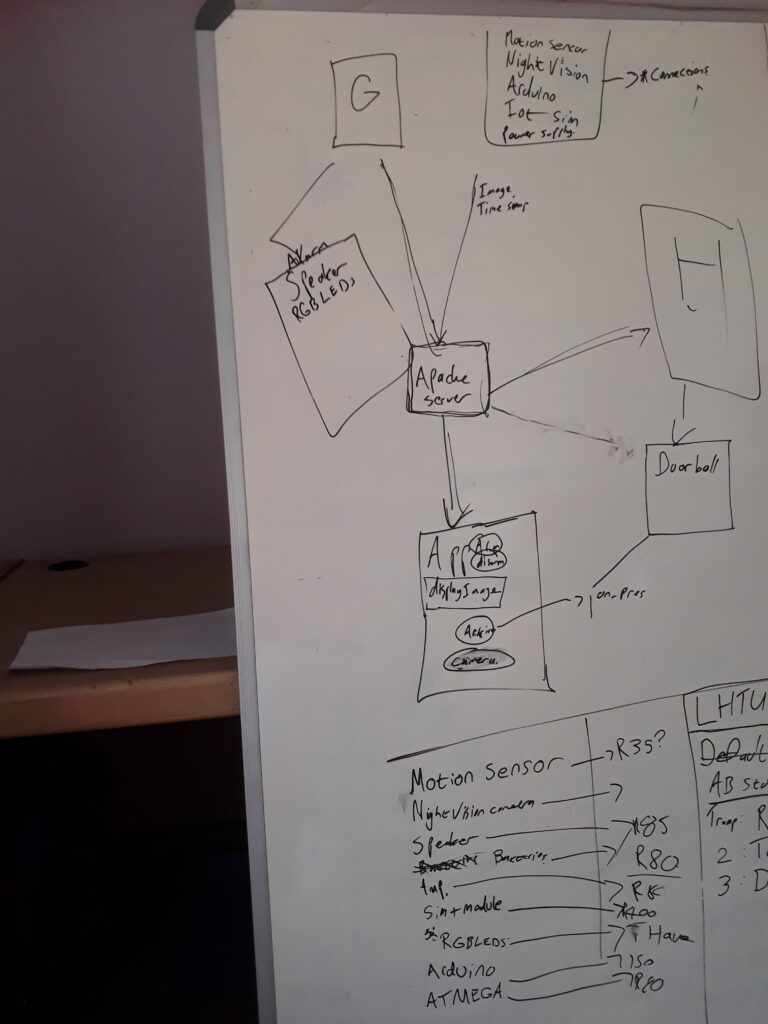








About Riverstone Village
Riverstone Village
Riverstone Village (RsV) was an age-mixed Self-Directed Education community with members aged 4 and up. Our main age range was from 4-24 years of age (to accommodate Self-Directed further studies) with no upper age limit. Staff and members were distinguished by role rather than age.
RsV was run by the participants. Every week there was at least one Meeting where every member and staff member had one vote, which handled everything from rule-making, to acquisitions, to hire and fire of staff. The best possible education involves learning how to make your own life happen.
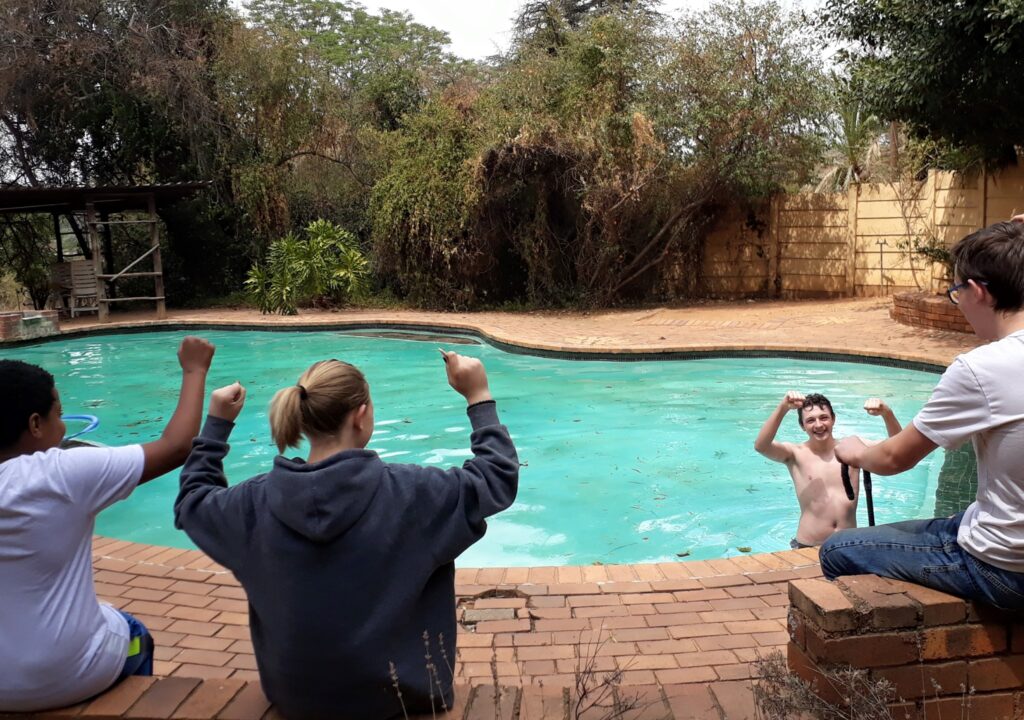
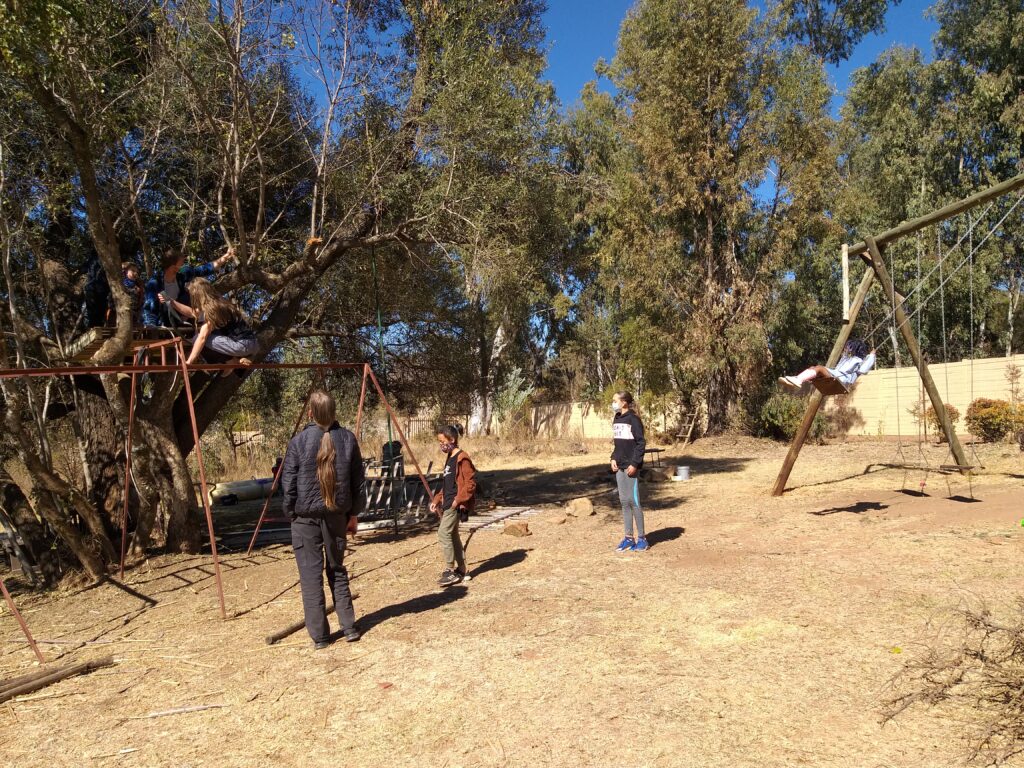
Our third and most ‘permanent’ home was a big and beautiful 2ha plot in North Riding, Johannesburg complete with various buildings (use of rooms was decided by members), swimming pool, old tennis court perfect for roller-blading and J-boarding, and of course Hazard’s Haven adventure junkyard.
Riverstone Village was inspired by the ‘university of Robben Island’ and by Sudbury Valley School (SVS) founded in Massachusetts USA in 1968 and still going strong today. Studying the outcomes of SVS to reassure himself that his own newly enrolled son could get a decent education, research psychologist Dr. Peter Gray found that:
“Graduates of Sudbury Valley can be found today in the whole range of careers that are valued by our society. They are skilled craftsmen, entrepreneurs, artists, musicians, scientists, social workers, nurses, doctors, and so on. Those who chose to pursue higher education had no particular difficulties getting into colleges and universities, including highly selective ones, or performing well there once admitted. Many others have become successful in careers without going to college.”
“More important, former students report that they are happy with their lives. They are almost unanimous in reporting that they are glad that they attended Sudbury Valley and in believing that the school prepared them better than a traditional school would have for the realities of adult existence. To a considerable degree they maintain, in adulthood, the playful (and that means focused and intense as well as joyful) attitude to careers and life that they developed and refined while at the school.”
Dr. Peter Gray
You can read more about SVS graduates here.
“Learning and teaching have nothing to do with each other…”
Daniel Greenberg
“Children educate themselves; we don’t have to do it for them.”
Dr. Peter Gray
“Who are you? What do you want to be? What are your gifts? What are your passions? … Your voice matters. Who you are, who you were created to be, MATTERS.”
Dr. Anika Prather

What we practised: Self-Directed Education
The thinking that shaped daily life at Riverstone
What is Self-Directed Education?
Self-Directed Education is a cutting-edge new form of human-rights-aligned, future-proofing education that is as old as the hills. It’s a modern version of the most common form of education used throughout human history, before the brief experiment we currently call ‘school’. It makes no distinction between work and play, given that play is the instinctive way that free humans explore and master new knowledge and skills.
Self Directed Education looks different for each individual, and different each day, since it allows a natural flow of interest and exploration.
Self-Directed Education can include organized classes or lessons, if freely chosen by the learner; but most Self-Directed Education does not occur that way. Most Self-Directed Education comes from everyday life, as people pursue their own interests and learn along the way. The motivating forces include curiosity, playfulness, and sociability—which promote all sorts of endeavors from which people learn. Self-Directed Education necessarily leads different individuals along different paths, though the paths may often overlap, as each person’s interests and goals in life are in some ways unique and in some ways shared by others.
Alliance for Self-Directed Education
You can find out more about Self-Directed Education by reading the four articles that begin here.
Education is the
“…process of acquiring knowledge, values, and skills that are conducive to a satisfying and meaningful life. As such, education is a natural, everywhere, all-the-time, developmental process that begins at birth and continues throughout life.”
Scott Noelle
“An education is the capacity to author your own life instead of merely accepting the one handed to you.”
Blake Boles
“Education is the sum of everything a person learns that supports them towards living a satisfying and meaningful life. Self-Directed Education is education that derives from the self-chosen activities and life experiences of the learner, whether or not those activities were chosen deliberately for the purpose of education.”
Alliance for Self-Directed Education
“It’s not so much what children learn through play, but what they won’t learn if we don’t give them the chance to play. Many functional skills like literacy and arithmetic can be learned either through play or through instruction – the issue is the amount of stress on the child. However, many coping skills like compassion, self-regulation, self-confidence, the habit of active engagement, and the motivation to learn and be literate cannot be instructed. They can only be learned through self-directed experience (i.e. play).”
Susan J. Oliver
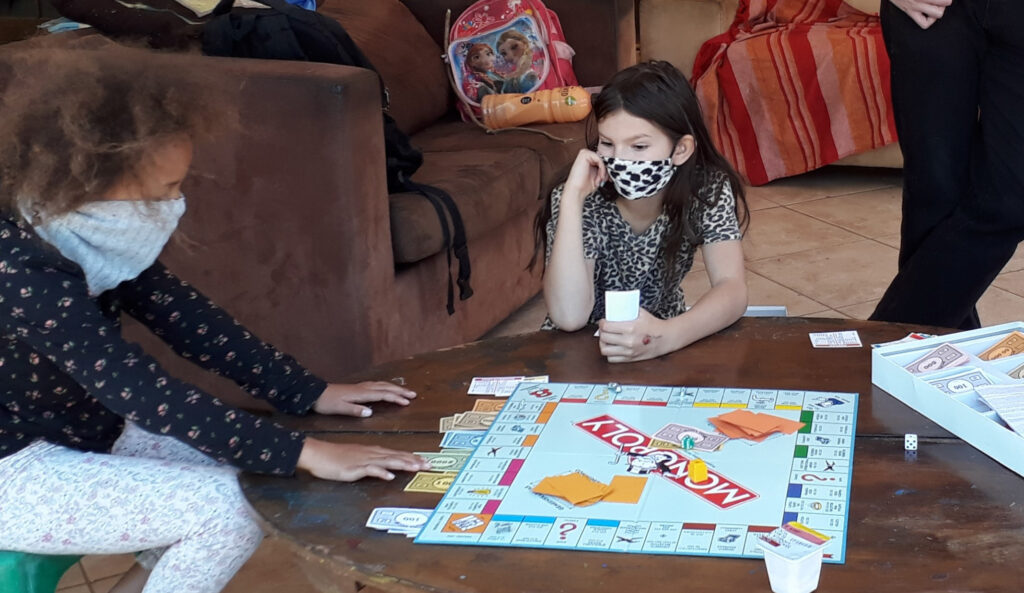
Autonomous Motivation
Importantly, Self-Directed Education works through Autonomous motivation (motivation that comes from the desires inside of us) rather than through Controlled motivation (persuasion, manipulation, rewards, threats and punishments from outside).
Researchers have found that Autonomous motivation is sustainable – it keeps us going when things get tough. In contrast, Controlled motivation often sees learning lost and behaviour dropped when circumstances change, and even worse, it can damage passion and interest that could have otherwise thrived. This is why conventional schooling often sees students develop an aversion to learning activities – most often but not only to maths and reading. SDE does not see these same aversions develop.
“We’ve never taught reading… There’s never been a kid in our school – ever – who hasn’t learned how to read, eventually, in their own good time. And we’ve never had a case of dyslexia….There’s no pre-selection of non-dyslexic people in this place. We haven’t had dyslexia because we haven’t brought it about.”
Daniel Greenberg, Sudbury Valley School (he’s talking about over 5 decades here!)
“You can’t make someone learn something – you really can’t teach someone something – they have to want to learn it. And if they want to learn, they will.”
Daniel Greenberg
“Learning can only happen when a child is interested. If he’s not interested, it’s like throwing marshmallows at his head and calling it eating.”
Katrina Gutleben
“Research studies have shown repeatedly that adults who have a great deal of freedom as to how and when to do their work commonly experience that work as play, even –in fact, especially– when the work is difficult. In contrast, people who must follow others’ directions, with little creative input of their own, rarely experience their work as play. Moreover, dozens of research studies have shown that when people choose to perform some task, they perform it more fully and effectively than when they feel compelled by others to perform it.”
Dr. Peter Gray
“…children are naturally motivated to play not just at the skills that are most prominent and valued among adults around them, but also, even more intensely, at new skills that lie at the culture’s cutting edge. Because of this, children typically learn to use new technology faster than do their parents.”
Dr. Peter Gray

Age-mixing
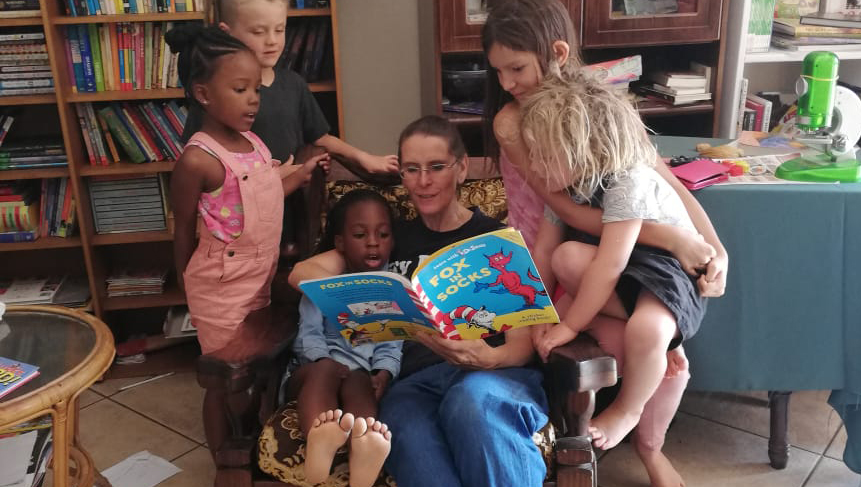
Self-Directed Education is profoundly social, embedded in relationships, interactions, and conversation. Where conventional education relies on hyper-stimulating competitive instincts and isolating individuals by branding collaboration as ‘cheating’, SDE relies on the human drive for connection and relationship. It is natural for younger humans to look up to and take inspiration from older ones, for older kids and adults to nurture and mentor younger ones, natural for those of us who have more skill in something to share with those of us who want to learn. We actually consolidate and integrate our own learning by passing it along.
Some parents worry that younger kids will be bullied or abused in an age-mixed space, not realising that the collaborative culture that emerges when artificial pressure is lifted, brings out the human best in us.
An added bonus of age-mixing is that it is harder to compare oneself to peers when peers range more widely in age. This makes it easier for kids to stay engaged with their own personal learning path without feeling labelled ‘behind’ or given a false sense of security by being ‘ahead’.
“Age mixing is Sudbury Valley’s secret weapon. I never could make heads or tails of age segregation. People don’t live their lives in the real world separated by age, year by year. Kids don’t all have the same interests or abilities at a particular age.
Anyway, we soon found out how children mix when they are left to their own devices. They mix. Just like real people. The principle is always the same: if anyone wants to do something, they do it. Interest is what counts. If the activity is on an advanced level, skill counts. A lot of little kids are much more skillful than older ones at a lot of things.
When the skills and rate of learning aren’t all on the same level, that’s when the fun begins. The kids help each other. They have to, otherwise the group as a whole will fall behind. They want to, because they are not competing for grades or gold stars. They like to, because it’s terribly satisfying to help someone else and succeed at it. And it’s terribly pleasing to watch. Everywhere you turn at school, age mixing confronts you.”
Daniel Greenberg
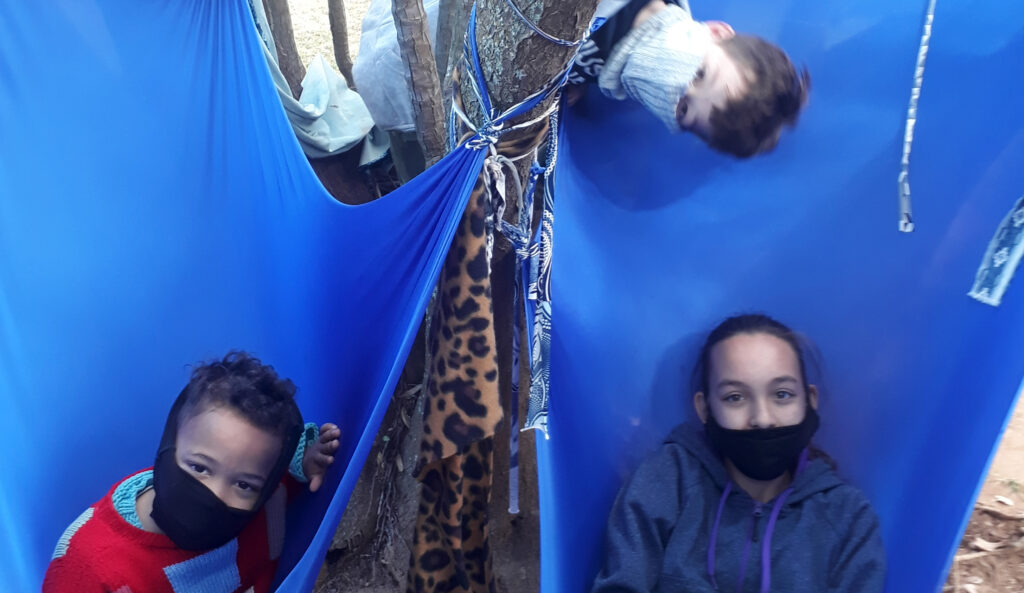
Play
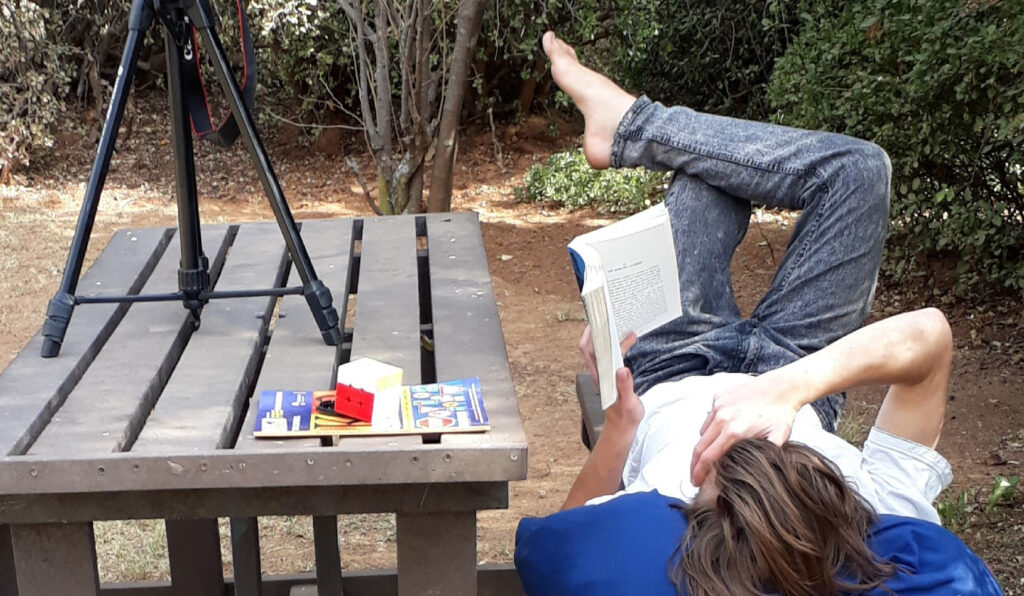
At Riverstone Village, members are free to play all day every day. They can play fantasy games or fitness games; they can play with lego or woodwork or advanced mathematics; they can play at cooking or coding or learning Japanese; they can play at pottery-making or sense-making or dress-making; they can play music or monopoly or debating or permaculture gardening or any of a thousand other things – it’s all play.
Some parents worry that play all day will fail to develop discipline and perseverance. The opposite is true. Every day we watch autonomously motivated kids tackle bigger and bigger challenges and find ways to do what it takes – yes, even the not-fun bits needed to make the fun-bits possible. Discipline and perseverance are damaged when other people push us and control us, and when we start to feel that our activity is ‘work’ – draining and oppressive. If you look at the highest achievers in our world, the hardest workers of all, they are the ones who love what they do. The spirit of play is well worth preserving.
“Find a job you enjoy doing, and you will never have to work a day in your life.”
Mark Twain
“You are what you do. If you do boring, stupid, monotonous work, chances are you’ll end up boring, stupid, and monotonous.”
Bob Black
“The opposite of play is not work. It’s depression.”
Brian Sutton-Smith
“The child amidst his baubles is learning the action of light, motion, gravity, muscular force….”
Ralph Waldo Emerson
“It is paradoxical that many educators and parents still differentiate between a time for learning and a time for play without seeing the vital connection between them.”
Leo Buscaglia
“Play is the only way the highest intelligence of humankind can unfold.”
Joseph Chilton Pearce
“For a small child there is no division between playing and learning; between the things he or she does ‘just for fun’ and things that are ‘educational.’ The child learns while living and any part of living that is enjoyable is also play.”
Penelope Leach
“Play… is nature’s means of ensuring that mammals and young human beings, acquire the skills that they need to develop successfully into adulthood.
Play is where children learn they are in control of their own life; when we take that away we don’t give them a chance to learn how to control their own life. Play is where they learn to solve their own problems and to learn the world is not so scary after all. Play is where they learn to get along with peers and see from other points of view and practice empathy.
It’s the self-directed aspect of play that gives it its educative power.”
Dr Peter Gray
“It’s incorrect to conceive of play as an activity without purpose…creating an imaginary situation can be regarded as a means for developing abstract thought.
A child’s greatest achievements are possible in play, achievements that tomorrow will become her basic level of real action.”
Lev Vygotsky
“We don’t stop playing because we grow old; we grow old because we stop playing.”
George Bernard Shaw
“One might feel …that play is fine for little children, and even the best thing for them, but that after a while they must outgrow it and learn more ‘serious’ or ‘adult’ ways of learning. This would be a great mistake. The fact is that in their play children are very often doing things very much like what adults do in their work. Like the economist, the traffic engineer, the social planner, or the computer expert, children at play often make models of life or certain parts of life, models they hope are a fair, if simpler, representation of the world, so that by working these models they may attain some idea of how the world works or might work or what they might do in it.”
John Holt
“Play can be the long-sought bridge back to that deep emotional bond between parent and child. Play, with all its exuberance and delighted togetherness, can ease the stress of parenting. Playful Parenting is a way to enter a child’s world, on the child’s terms, in order to foster closeness, confidence, and connection.”
Lawrence Cohen

The SDE Facilitation Relationship
The Sudbury staff member/SDE facilitator, is not an ‘authority’ figure in the way that teachers are generally authority figures. They do not presume that they know, or need to know, more than young community members about any subject at hand. They do not make the decisions and rules – although they do speak out loud and clear and bring the full wisdom of their perspective to discussions about decision-making and rule making, and they vote with honesty and transparency. They neither control young people nor humour them by pretending to be less than they are. They are not clever manipulators who steer kids down pre-determined learning paths in ways that the kids will be tricked into thinking are their own. They are respectful full human beings interacting respectfully with other full human beings of various ages. They have committed their time to keeping the learning community space functional and sustainable. They are culture-keepers and consultants. They are resource-finders and resource-suppliers and sometimes, also resources in themselves. They are nurturers and companions, sounding-boards and witnesses, buck-stops-here designated human safety-nets. They love being part of the community and consider it a privilege, not a chore. Sometimes they even get paid.
“A good teacher does not draw out; he gives out, and what he gives out is love. And by love, I mean approval, or if you like, friendliness, good nature.”
A.S. Neill
“…the teacher becomes a friend. It’s as though a group of you are going somewhere unknown and you have a trustworthy friend, who also doesn’t know where you are going, but who could be useful. A comforting person to have around.”
Sugata Mitra
“And what I am really trying to say is that, the potential of the individual will only really occur in the context of safety.”
Stephen Porges
“Sometimes people use “respect” to mean “treating someone like a person” and sometimes they use “respect” to mean “treating someone like an authority” and sometimes people who are used to being treated like an authority say “if you won’t respect me I won’t respect you” and they mean “if you won’t treat me like an authority I won’t treat you like a person” and they think they’re being fair but they aren’t, and it’s not okay.”
Stimmy Abby
“You can’t really love someone else unless you really love yourself first.”
Fred Rogers
“If children happen to learn from us, it’s because we model responsibility and competence and because we tell the truth when asked.”
Aaron Browder, The Open School
Discipline and Social Justice
Riverstone Village had a problem-solving rather than person-blaming approach to discipline. Like all other decisions, discipline decisions were made by age-mixed groups not ‘authority figures’. Rules could be reviewed and changed and replaced by Meeting.
Rather than a culture of equality, where all people are treated the same, RsV aimed for a culture of equity, where each person is supported according to who they are and what they need in a particular context, with an ultimate aim of liberation for all. Sometimes it was about insisting on respect for the Agreements that the community had made together, sometimes it was about supporting people in finding win-win ways to keep the Agreements, sometimes it was about creating accommodations or exceptions, and sometimes it was about actually changing the Agreements. Systems are for people, not people for systems.
We treasured the diversity of our community. Prejudice and unconscious privilege were called out in a problem-solving spirit so that we could all grow together. We welcomed help to notice remaining blind-spots, there was always more to learn.
“Discipline supports a person in solving a problem, punishment makes them suffer for having the problem.” (paraphrased)
L.R.Knost
“If you have come here to help me you are wasting your time, but if you have come because your liberation is bound up with mine, then let us work together.”
Lilla Watson
Criticisms of Conventional Schooling
Self-Directed Education is most powerful when it is never interrupted. Babies are born self-educating, and develop optimally when their natural self-direction is supported all the way through the growing years. Unfortunately, our current parenting culture and even more, school culture, tends to instill self-doubt and actively steer young people away from their inner wisdom.
It is never too late to recover, but the earlier that a young person can be released from educational coercion into consent-based educational experiences, and the more that their home life supports rather than undermines full trust in their self-educating drives, the better the results.
SDE ‘lifers’ who have been optimally supported in self-directing all the way through without interruption, stand out in their teens as exceptionally capable, responsible, passionate and active people who have little need for the reactive and destructive acting-out that our culture mistakenly believes are inevitable for this stage. They tend to have actual causes, rather than rebellion for its own sake. Life-long learning and adaptability are built in.
“Self-Directed Education can be contrasted to imposed schooling, which is forced upon individuals, regardless of their desire for it, and is motivated by systems of rewards and punishments, as occurs in conventional schools. Imposed schooling is generally aimed at enhancing conformity rather than uniqueness, and it operates by suppressing, rather than nurturing, the natural drives of curiosity, playfulness, and sociability.”
Alliance for Self-Directed Education
“School is the advertising agency which makes you believe that you need the society as it is.”
Ivan Illich
“I think most kids have a sense that it’s not supposed to be this way. You’re not supposed to hate Monday, or be happy when you don’t have to go to school. School should be something that you love. Life should be something that you love.”
Charles Eisenstein
“Education is an admirable thing, but it is well to remember from time to time that nothing that is worth learning can be taught.”
Oscar Wilde
“We need to stop teaching children that obedience is their greatest virtue.”
Dr. Stacey Patton
“Modern conventional education is full of impositions on its students – such as what, how, and where students do, learn, behave, attend, participate, and communicate in the ways that the teacher and school define. For certain ages of students, schooling itself is compulsory in modern societies and, thus, imposed. However, the legitimacy of this imposition –how much of this imposition is necessary, useful, justified, and desirable for education itself –has not been specifically discussed and analyzed yet.”
Eugene Matusov
“I’ll tell you what the real problem is: These people are working under the assumption that they know better about what is good for kids, what kids need to learn to get ahead in this world.”
Daniel Greenberg
“Children are pawns in a competitive game in which the adults around them are trying to squeeze the highest possible scores out of them on standardized tests … Thus, the drills that enhance short-term memory of information they will be tested on are considered legitimate education, even though such drills produce no increase at all in understanding.”
Dr. Peter Gray
“I look at traditional schooling as slavery by another name. A lot of the time traditional schooling is about indoctrination and making people think and be a certain way based on whoever is in authority.”
Dr Anika Prather
“If the skills taught in school are lost so easily, then what happens when people finally finish school and go on to life outside of it? Won’t the skills be lost then? If we’re going to force children to stay in school all summer so they don’t lose skills, then maybe we should force all of us to stay in school our whole lives, so we don’t lose skills!”
Dr. Peter Gray
“In 50 years, I predict, today’s approach to education will be seen by many if not most educators as a barbaric remnant of the past. People will wonder why the world took so long to come to grips with such a simple and self-evident idea as that upon which the Sudbury Valley School is founded: Children educate themselves; we don’t have to do it for them.”
Dr. Peter Gray
Youth Rights Advocacy
Summerhill school, started by A.S. Neill in the UK in the 1920’s, almost 70 years before the Convention on The Rights of the Child, was founded on the idea of equal rights for all ages. This school was the key inspiration for the founding of Sudbury Valley School in 1968, leading to the emergence of hundreds of similar spaces around the globe including the founding of Riverstone Village in South Africa in 2017.
There is a growing awareness of the rights and needs of young people, but right now worldwide we are still at a stage where the routine mistreatment of children is so completely normalised that most people do not see it as a problem, just as our history holds times and places where white supremacy was profoundly accepted, the ‘inferiority’ of women was taken for granted, etc.
Self-Directed Education spaces are increasingly becoming sanctuaries where young people can safely be themselves in a culture of mutual respect, where they are supported in their authenticity rather than controlled by adults who believe that it is their ‘responsibility’ to mold them.
Riverstone Village helped to found www.fhree.org FHREE stands for Full Human Rights-Experience Education, and the Rights-Centric Education network – both of these initiatives advocate for a world where all young people will be able to access optimal educational support without having to compromise on enjoying the full range of their human rights.
You can read more about SDE and Children’s Rights here.
“Freedom is indivisible, it means you must never influence the choices children make, it’s all or nothing.”
A.S. Neill
“SDE is ‘a civil rights movement and… that’s hard. It’s an uphill battle. All civil rights movements are fighting against the mainstream norm, and it’s worth it.”
Alexander Khost
“What’s important to us is what the students want to take, not what the teachers want to give.”
Daniel Greenberg
“The function of a child is to live his/her own life, not the life that his/her anxious parents think he/she should live, nor a life according to the purpose of the educators who thinks they knows best.” (sic)
A.S. Neill
Decolonisation
“School was one of the primary tools used by European colonisers of Africa, Australia, Asia and the Americas. While the army was used to quell physical opposition to invasion, school was used to obliterate indigenous culture and brainwash populations into obedience and subservience.
It is important to realise that the content of the curriculum was possibly a smaller factor in the colonising process, than the structure and nature of school in and of itself. School worked inter alia because:
- it removed children from community life where they would participate in traditional cultural transmission.
- it age-segregated children so that peer-to-peer education couldn’t function.
- it limited play, through which children develop confidence and creativity, and critical thinking, as well as leadership and collaborative teamwork skills.
- it prevented communication and social skills development through forbidding children’s free communication and interaction with each other, keeping them instead mostly silent, and under adult supervision.
- it enforced competition, preventing collaboration.
- it deeply undermined each person’s sense of autonomy and empowerment and instilled a deep sense of fear and shame through micro-control practices such as preventing children from following their own physical wisdom around when to eat, drink, move around and relieve themselves, and making all of these most personal functions subject to permission from external authority.
- All of these features typify the ‘divide and rule’ mechanism of colonial control.
- It was necessary to use force to make children attend school, since so many indigenous people understood that this kind of ‘education’ was not in their or their children’s best interests. In many places children were forcibly completely removed from their families and communities.
Last but far from least, through the use of curricula, grades and tests, a worldview of ‘one truth’ was asserted, instilling the belief that only one dominant and dominating paradigm could be valid. Every statement, practise, thought and belief became either ‘right’ or ‘wrong’. Truths associated with the dominant culture became ‘right’ and any competing paradigm became ‘wrong’. We can euphemistically call this education, or we can call it indoctrination, or even more bluntly, brainwashing.
It is important to realise that when ‘decolonisers’ do nothing more than add indigenous games, stories, songs, and factoids to create a ‘decolonised’ curriculum, this is essentially just a re-decoration to disguise the re-deployment of the tool in the hands of a new ‘authority’.
To use the colonising tool of school in the same format, simply changing the content, is to take advantage of the opportunity to enculturate and indoctrinate children according to a new dominant paradigm. This is not actual decolonisation. As the saying goes, you cannot decolonise colonial systems.
True decolonisation of education must drop not only the content, but also all processes and procedures that are inherently oppressive.
Decolonised education must use different systems – systems that are not only respectful, rights-based and humane, but also consent-based. If any degree of manipulation or force ‘must’ be used against children or parents, to get children into school, we must ask why that is necessary if what is offered genuinely meets their needs and is truly for their benefit.
A child forced against their will, away from real every-day environments to sit in silence under adult supervision learning what they are told, is not free, and is actively having their mind and their being colonised – whether the subject of their studies is the glory of England, or the glory of modern day America, or the glory of Post-Apartheid South Africa.
On the other hand:
Self-Directed Education is the closest modern-day equivalent to the education system used by our common human ancestry who walked the earth in the days before the first army was ever even constituted.
Self-directed education is education that inherently supports the critical balances between diversity and cooperation, and freedom and responsibility. It allows for full individuation within a context of community accountability.
It is inherently decolonial.”
– Je’anna Clements
“When it came time for me to educate my children, with my background with racism and understanding of slavery … and how schools were used to promote the concept of white supremacy, I really wanted to choose a school for my kids that was the exact opposite of that. That’s why I was really drawn to democratic schools, Sudbury schools… schools that were really about freedom, about students making their own choice, finding their own path.”
Dr Anika Prather
“SDE truly supports each unique individual in fulfilling their own personal potential whether or not anyone else around them understands the value of their endeavours. It’s an approach to education that can free us from prejudice and cultural bias and truly allow each and every person to Be.”
Je’anna Clements
“…you can’t reproduce any order of societal oppression based on race, gender, class or sexuality without first destroying each generation of young people as soon as they enter the world.”
Dr. Stacey Patton
“Marginalized groups have been learning the world for a long time, and without school. Before and throughout this colonialist era, it is the way we learned to manage our food systems and organize communities. It is the way we learned to predict weather and navigate seas. It is the way we learned transportation routes and our stories. It is the way we learned ourselves and others. It is the way we learned who the oppressors really were, despite what they told us about themselves in their schools. It is the way we learned to survive under Western colonialism and imperialism. And it is the way we will thrive beyond it.”
Dr. Kelly Limes-Taylor Henderson
Here are six good reads to kick off more exploration on this topic:
- English Education Act 1835
- Education in Hunter-Gatherer Cultures by Peter Gray
- Manish Jain: “Our work is to recover wisdom and imagination”
- Three Cups of Fiction
- Liberation from Education
- Raising Free People
And a phenomenal documentary here:
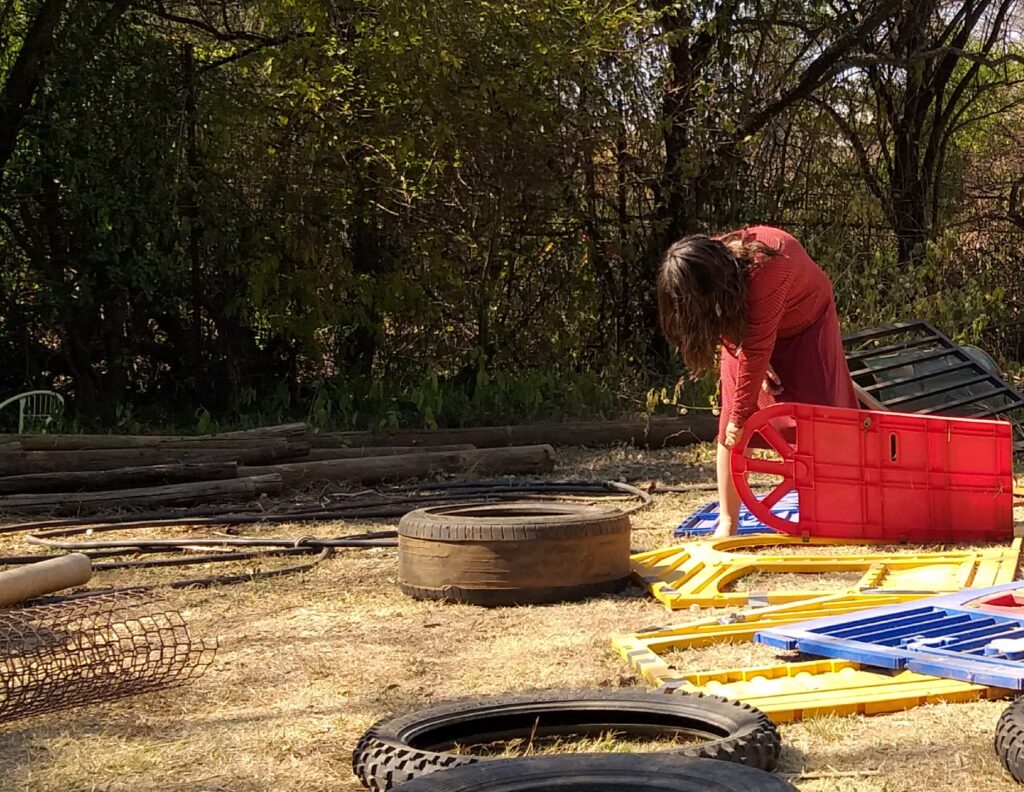
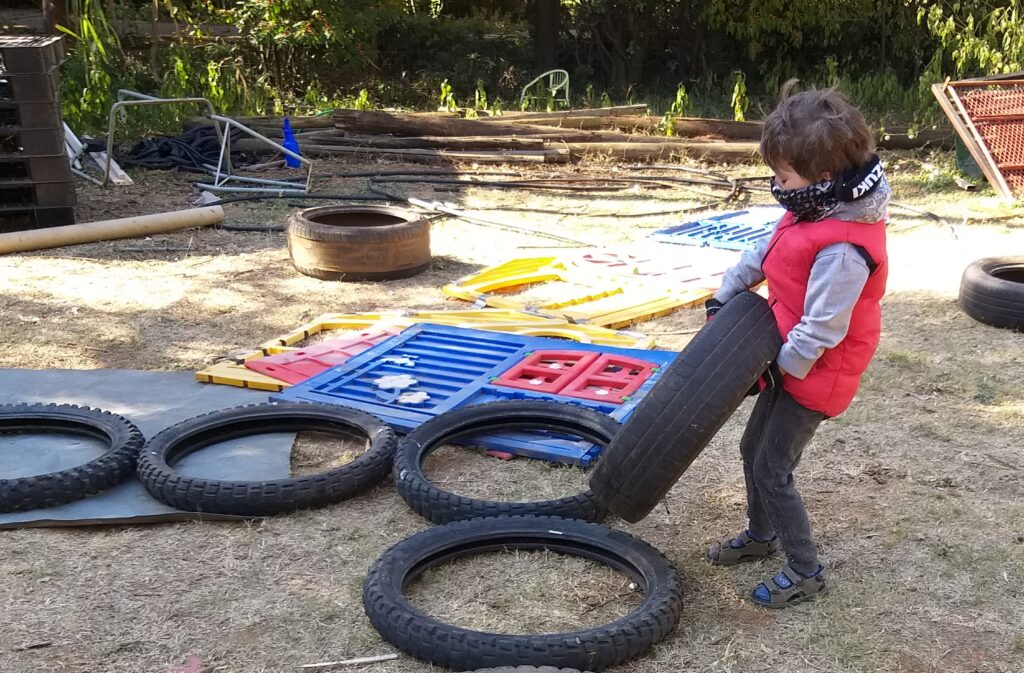
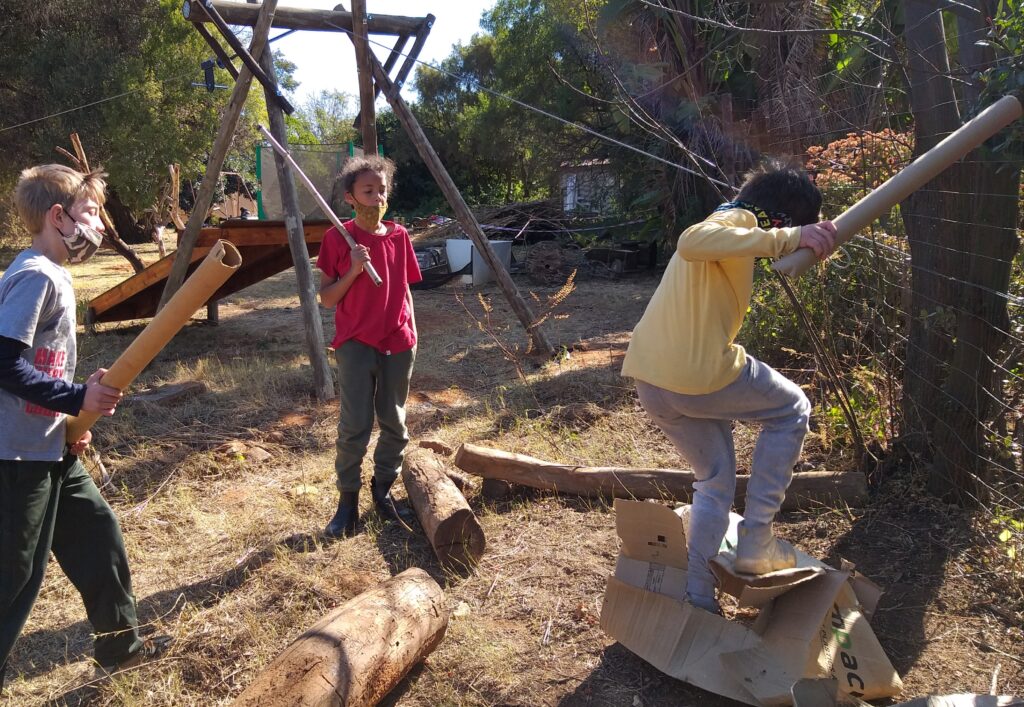
Hazard’s Haven Adventure Junkyard
Hazard’s Haven accepted public bookings on certain days – these events were an adventure for all young people concerned.
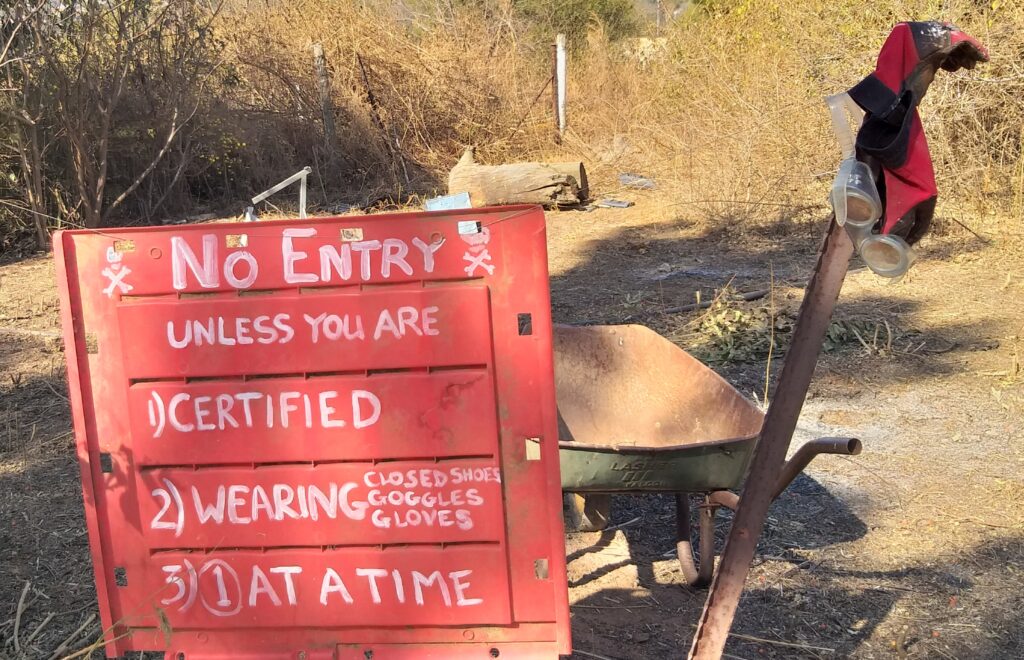
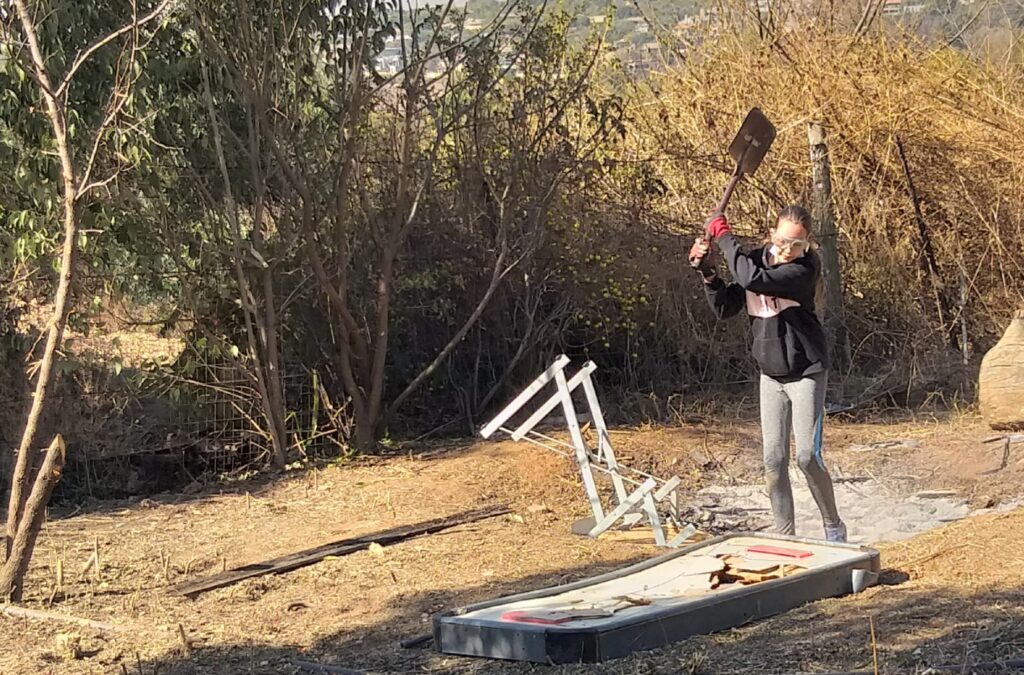
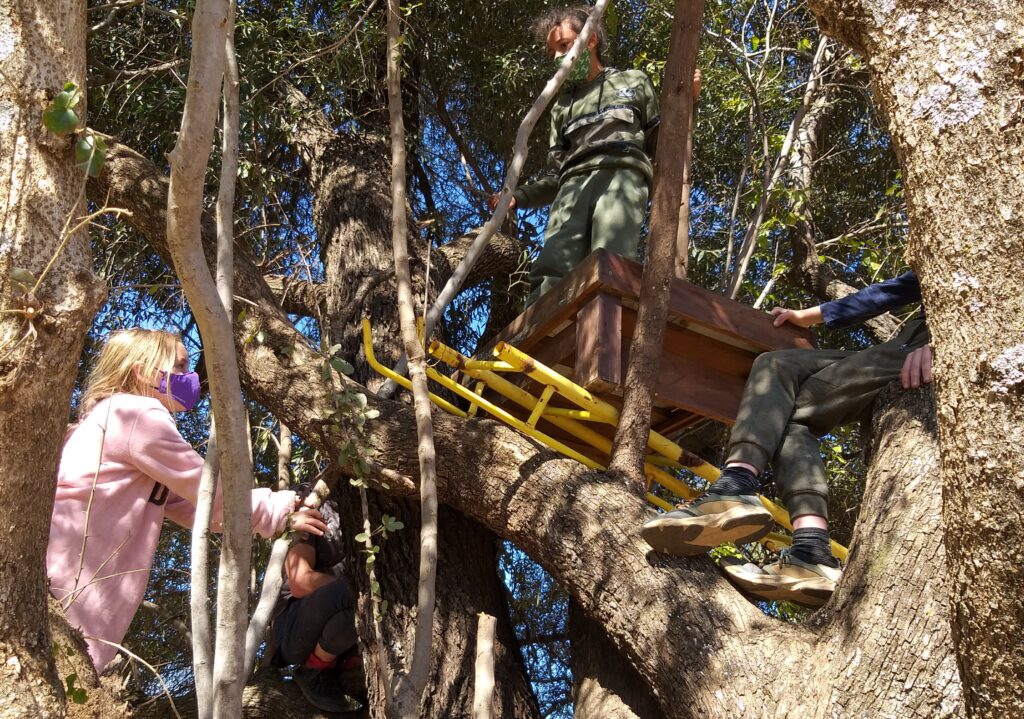
Hazard’s Haven was Riverstone’s Adventure Junkyard, a space where young people could take risks and reap the rewards.
A simple hazard orientation and certification process tuned young people’s awareness to safety issues, after which they were free to explore, climb, dig, play, build, and even destroy, within simple limits along the lines of ‘keep yourself safe, treat others with respect and take care of the tools’.
Adventure Junkyards are a tradition in many parts of the world going back for decades. They have been well studied and many benefits have been documented. As far as we know, Hazard’s Haven was the only commercial instance in South Africa.
“Risky play is really important for kids—all kids—because it teaches hazard assessment, it teaches delayed gratification, it teaches resilience, it teaches confidence. When kids get outside and practice bravery, they learn valuable life lessons.”
Caroline Paul
“The route to getting our kids outdoors is not to throw away the computer or the television set, no more than it is to throw away the book we have in our homes. These are all great sources of learning and enjoyment. Rather, the route is to make sure kids have real opportunities to play freely outdoors, with other kids, without interference from adults.”
Dr Peter Gray
“Play is the mother of all disciplined activity”
Daniel Greenberg
“In our culture today, parents and other adults overprotect children from possible dangers in play. We seriously underestimate children’s ability to take care of themselves and make good judgments…Our underestimation becomes a self-fulfilling prophecy – by depriving children of freedom, we deprive them of the opportunities they need to learn how to take control of their own behavior and emotions.”
Dr Peter Gray
“Children more than ever, need opportunities to be in their bodies in the world – jumping rope, bicycling, stream hopping, and fort building. It’s this engagement between limbs of the body and bones of the earth where true balance and centeredness emerge.”
David Sobel
“When children play imaginative games together, they do more than exercise their imagination. They enact roles, and in doing so they exercise their capacities to behave in accordance with shared conceptions of what is or is not appropriate. They also practice the art of negotiation… Getting along and making agreements with others are surely among the most valuable of human survival skills.”
Dr Peter Gray
Read about two other Junkyard Playgrounds:
The Junk Playground of New York City






[Q


Safe Camps
In 2025 Riverstone Village supported young survivors of abusive youth camps in creating a Safe Camps public education and support initiative. This included resources such as a child-safety pledge that parents can ask camp organisers to sign before booking, as well as information about red flags to watch out for, and signposting for support and healing resources for families that have experienced abuse.
You can request these resources by emailing theshiftwillcome@gmail.com
Explore — resources & links
Riverstone Village was a co-founder of the
Rights-Centric Education Network
and
Some other webpages
- encorporalpunishment.org
- self-directed.org
- sudburyvalley.org
- educationrevolution.org
- fhree.org
- horizontalcommunication.org
- https://eudec.org
Articles
- SDE and the United Nations Convention of the Rights of the Child
https://www.self-directed.org/tp/childs-right-to-education/
https://www.self-directed.org/tp/childs-right-to-education-2/ - Dr Peter Gray on the difference between Progressive Education and SDE https://www.psychologytoday.com/za/blog/freedom-learn/201706/differences-between-self-directed-and-progressive-education
- The difference between SDE and Consent-based education
https://www.self-directed.org/tp/consent-based-versus-self-directed/ - Multiple articles – browse around
self-directed.org/tipping-points/
Podcasts
- Agentic Schools with Don Berg
- https://eastkentsudburyschool.org.uk/lockdown-learning-podcast/deschooling-the-art-of-letting-go/
- https://eastkentsudburyschool.org.uk/lockdown-learning-podcast/the-future-of-education/
- https://raisingfreepeople.com/podcast/
Videos/Movies
- A day in the life at Brooklyn Freeschool
- Summerhill (fictionalised but based on real events)
- Unicorns music video by Qkumba Zoo co-created with RsV
- Self Taught Movie
- Class dismissed: learning outside the classroom/
- CaRaBa – A German speculative movie imagining a world where school is no longer compulsory
- The War On Kids
YouTube channels
- Riverstone Village
- FHREE
- TheShiftWillCome (Je’anna Clements’ channel)
- Kapriole (a selection of Sudbury-oriented videos
Riverstone Village · founded 2017 · in fond memoriam.